Log Drums and Late Nights: The South African Sound That's About to Rewire American Club Culture
Something Is Shifting on the Dance Floor
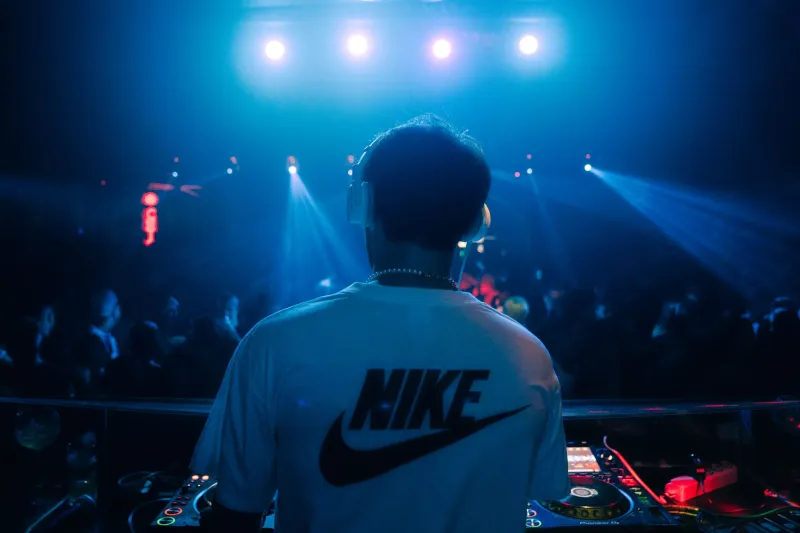
If you've been to the right kind of party in a major American city in the last year or so, you might have caught a few minutes of something that didn't quite fit anything else in the DJ's set. Slower than house. Jazzier than techno. Built around a low, woody bass sound that seems to vibrate somewhere in your chest rather than your ears. And above it all, a loose, conversational vocal style that sounds completely unbothered by the concept of urgency.
That's amapiano. And if the pattern holds — if the underground-to-mainstream pipeline that carried Afrobeats from Lagos clubs to American radio plays out again — you're going to be hearing a lot more of it very soon.
Where It Comes From
Amapiano (the name roughly translates to "the pianos" in Zulu) emerged from the townships of Gauteng province in South Africa around 2012, though its roots go deeper into South African house and kwaito traditions that stretch back through the '90s. It's the sound of informal settlements and late-night informal gatherings — music made with limited equipment but enormous creativity, built to keep people dancing in spaces that weren't designed for dancing.
The genre's signature elements are immediately recognizable once you know what to listen for. The log drum — a deep, resonant bass synthesizer sound that became amapiano's defining sonic fingerprint — gives every track a grounded, almost meditative quality. Jazz piano chords float above it, sometimes melodic and lush, sometimes sparse and abstract. Vocals, when they appear, tend toward call-and-response patterns drawn from South African vocal traditions, though the music works just as well as a purely instrumental experience.
The tempo sits somewhere between 100 and 114 BPM — slow enough to feel relaxed, fast enough to keep a dance floor moving. It's a speed that encourages a very specific kind of movement: fluid, unhurried, deeply physical without being aggressive. American clubgoers who've experienced it tend to describe it as dancing that feels like breathing.
The Johannesburg Underground That Built a Global Sound
Amapiano's rise in South Africa was almost entirely community-driven. Artists like Kabza De Small, DJ Maphorisa, and MFR Souls built the genre's initial momentum through informal distribution networks — WhatsApp groups, USB drives passed between friends, local house parties. By the time the South African music industry fully acknowledged what was happening, amapiano was already the country's dominant popular genre.
That grassroots foundation matters because it shaped what the music is. Amapiano wasn't engineered for export. It wasn't designed with international markets in mind. It developed according to the tastes and needs of a specific community, which is exactly why it has the kind of authentic, deeply felt energy that electronic music fans everywhere tend to chase.
"Amapiano is a lifestyle before it's a genre," explains one South African DJ who now splits his time between Johannesburg and New York. "In SA, it's the sound of coming together. It's Sunday afternoons in the yard. It's feeling free. That feeling doesn't need translation."
Why American DJs Are Paying Attention
The American electronic music scene has been in a transitional moment for a while now. The EDM era peaked and receded. Afrobeats opened ears to the idea that African dance music could work in Western club contexts. House music has been cycling through nostalgic revivals. Into this moment, amapiano arrives with something that feels genuinely fresh — a rhythmic and harmonic language that most American DJs haven't fully mapped yet.
That unfamiliarity is actually part of the appeal for the forward-thinking DJs who've been incorporating amapiano tracks into their sets. Playing something the crowd hasn't heard before, but that immediately makes physical sense to them, is one of the most satisfying moves in a DJ's toolkit. Amapiano delivers that experience almost every time.
TikTok has accelerated the discovery process significantly. The #amapiano hashtag has accumulated hundreds of millions of views globally, and the dance styles associated with the genre — particularly the footwork-heavy "piano" dancing that originated in South Africa — have been picked up by American creators who often don't know the music's name but are clearly responding to its energy.
"TikTok is doing what radio used to do," says one Brooklyn-based DJ who's been programming amapiano into her sets for about eighteen months. "It's introducing people to sounds before they have context for them. And amapiano sounds incredible even without context."
The Artists You Should Know Now
Kabza De Small is the undisputed king of the genre and a good starting point for anyone new to the sound. His discography is enormous and his production style covers a wide range of amapiano's moods, from celebratory to deeply contemplative. DJ Maphorisa, his frequent collaborator, brings a harder, more club-focused energy that translates well in American DJ contexts.
For something more recent and internationally oriented, artists like Kelvin Momo and Musa Keys have been releasing tracks that feel simultaneously rooted in Johannesburg's scene and accessible to listeners who've never been within ten thousand miles of it. And vocalists like Samthing Soweto bring a melodic warmth to the genre that makes it approachable even for listeners who typically stick to pop.
At Kral38 Stream, we've been building out our amapiano section within our World Music catalog for exactly this reason — because the moment when something goes from underground to everywhere tends to happen faster than anyone expects, and we'd rather be early.
What Happens Next
The trajectory here is familiar if you watched Afrobeats go from niche to ubiquitous. First the DJs. Then the tastemaker publications. Then the crossover collaboration — a South African amapiano producer working with an American R&B or pop artist. Then the flood.
The crossover moment for amapiano hasn't fully arrived yet, but the groundwork is being laid right now, in DJ booths and studio sessions and TikTok comment sections. By the time your local club is advertising "amapiano nights," the people who got there first will have had a year's head start on loving it.
This is your head start. Use it.