Crying to Korean TV Soundtracks at 2 AM: Why America Can't Get Enough of K-Drama Music
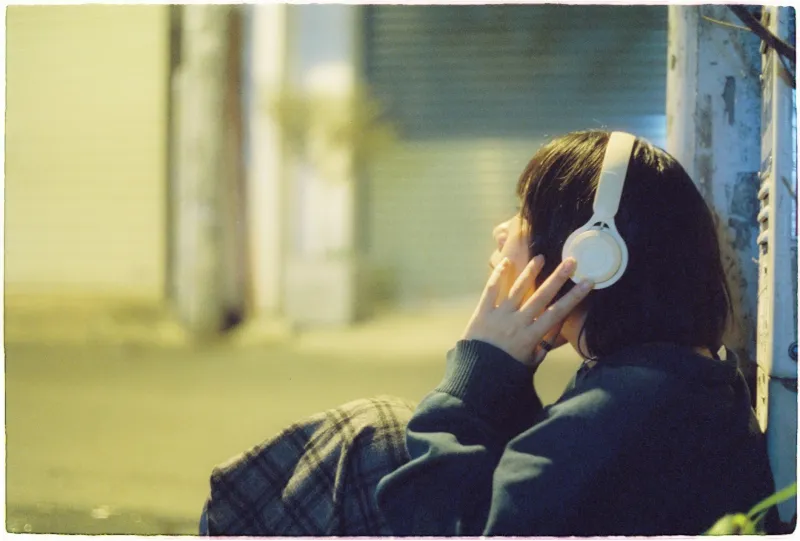
Let's be real — nobody planned to fall down this rabbit hole. You started watching a Korean drama on Netflix because someone in your group chat wouldn't stop talking about it. Then a song played during a pivotal scene, something slow and aching and completely devastating, and before you knew it you were searching for it at midnight with zero regrets. Welcome to the K-drama OST fandom. Population: millions of Americans who are just now realizing it.
The growth of Korean drama original soundtracks — OSTs, in fan shorthand — on US streaming platforms has been anything but quiet lately. Spotify playlists dedicated to K-drama music have racked up hundreds of thousands of followers. TikTok clips soundtracked by emotional Korean ballads routinely go viral without a single English lyric. And Netflix, which has been aggressively expanding its Korean content library, has essentially become an accidental launching pad for some of the most-streamed non-English music in the country.
From Background Music to Main Character Energy
Here's the thing about K-drama soundtracks that sets them apart from your typical TV score: they aren't background noise. Korean production teams treat OSTs as standalone releases, often bringing in the country's biggest pop stars or beloved indie artists to record tracks specifically tied to emotional turning points in a series. The result is music that's engineered to wreck you — and it does its job perfectly.
Take something like the Crash Landing on You soundtrack, which featured artists like IU and Baekhyun and hit Spotify's Global Viral chart in multiple countries when the show blew up internationally. Or the Goblin OST, which introduced American audiences to artists like Eddy Kim and Crush years before K-pop crossover became a mainstream conversation. These weren't accidental hits. They were carefully crafted emotional anchors designed to make you feel the scene even when you're nowhere near a screen.
Music curators who specialize in Korean content have noticed the shift happening in real time. The appetite for these tracks in the US has grown dramatically over the past three years, and a big part of that is how streaming platforms surface the music independently of the shows. Someone might never watch the drama itself but still end up obsessing over its soundtrack because an algorithm served it up during a late-night session.
The TikTok Pipeline Is Very Real
If Netflix is the entry point, TikTok is where K-drama OSTs actually go viral in the US. The platform's format — short, emotionally resonant clips — is almost tailor-made for this kind of music. A 15-second snippet of a soaring ballad playing over a montage or a relatable moment can rack up millions of views and send a track shooting up the streaming charts before most people even know what show it's from.
Artists like Heize, Ben, and Lim Young-woong have all seen significant spikes in their US Spotify listener counts following viral TikTok moments tied to drama soundtracks. What's interesting is that the emotional context of the scene travels with the music. Even without understanding the lyrics, viewers absorb the feeling — the longing, the heartbreak, the quiet joy — and carry it into their own listening habits.
Fans who've been in the K-drama community for years will tell you this isn't new behavior. The OST fandom has always been passionate and deeply invested. What's changed is the infrastructure. The platforms are finally big enough and global enough to amplify what was already happening in dedicated corners of the internet.
What Makes These Songs So Addictive — Musically Speaking
Beyond the emotional storytelling, there's something genuinely distinctive happening in the production of K-drama OSTs that makes them stick. Korean music producers working in the drama space tend to favor a specific sonic palette: lush string arrangements layered under modern pop production, vocals that sit right at the edge of controlled and raw, and song structures that build slowly before opening up into massive, cathartic choruses.
The ballad format — which might feel outdated in an American pop context — gets treated with a kind of craftsmanship in Korean drama music that makes it feel timeless rather than corny. There's also a strong tradition of matching the musical key and tempo to the emotional arc of a scene with almost surgical precision, which means the songs are essentially pre-loaded with feeling by the time they reach your ears outside of the show.
Indie-pop OSTs, which have become increasingly common in contemporary dramas, bring a softer, more introspective texture to the mix. Tracks from shows like My Mister or Reply 1988 lean into acoustic warmth and understated production in a way that feels immediately familiar to American indie listeners while still carrying that distinctly Korean emotional directness.
The Fans Who Started It All
Long before the algorithms caught up, there was a community of American K-drama fans who were already building their own listening ecosystems around these soundtracks. Fan-curated playlists, YouTube compilations, and dedicated OST blogs were doing the work of introducing new listeners to tracks that had no official English-language promotion behind them.
That grassroots energy is still very much alive, even as the mainstream catches on. Fans talk about K-drama OSTs the way music heads talk about film scores — with genuine critical enthusiasm and a deep sense of personal ownership. These songs aren't just background to a show. They're tied to specific memories, specific emotional moments, specific late nights spent absolutely destroyed by a fictional storyline.
That level of listener investment is rare, and it translates directly into streaming behavior. People don't just play these songs once. They loop them. They build playlists around them. They use them as the soundtrack to their own lives in a way that keeps the play counts climbing long after a show has wrapped.
What This Means for the Bigger Picture
The K-drama OST wave is part of a broader shift in how American audiences relate to international music — one that Kral38 Stream has been tracking across genres and regions. The old assumption that non-English music couldn't break through in the US mainstream has been quietly dismantled over the past decade, and Korean content has been one of the most consistent drivers of that change.
What makes the OST phenomenon particularly interesting is that it's not riding on celebrity or spectacle the way K-pop crossover sometimes does. It's riding on pure emotional resonance. A slow, devastating ballad about losing someone you love doesn't need a translation to land. It just needs the right scene, the right platform, and the right moment — and right now, all three are lining up perfectly.
So if you've found yourself crying to a song you can't fully understand, playing it on repeat at an unreasonable hour, and genuinely not caring — you're in good company. The K-drama OST rabbit hole is deep, the music is genuinely incredible, and honestly? There are worse places to spend your 2 AM.