Headphones On, Bedroom Door Closed: The Middle Eastern Indie Artists Quietly Reshaping Global Streaming
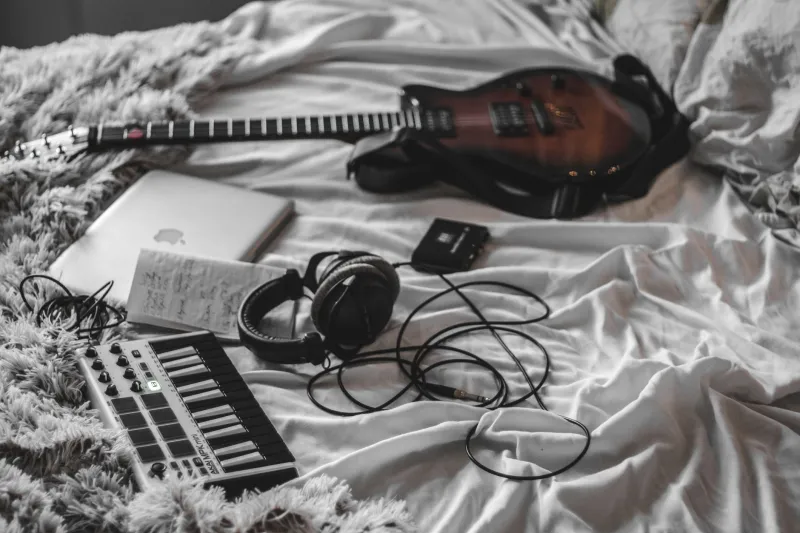
There's a particular kind of music that sounds like it was made at 1 AM with a laptop, a cheap condenser mic, and a lot of feelings. Bedroom pop — that hazy, intimate, lo-fi indie sound — has been a global phenomenon for years. But one of its most exciting new chapters is being written somewhere most American listeners haven't thought to look: the Middle East.
Artists from Lebanon, Egypt, and the UAE are producing introspective, genre-blending work that sits comfortably alongside anything coming out of Brooklyn or East London. They're doing it largely without traditional label support, without the machinery of a regional pop industry behind them, and without compromising the specific emotional texture that makes their music feel real. And they're finding audiences — real ones, not just algorithmic mirages.
What This Sound Actually Sounds Like
Let's be specific, because "Middle Eastern indie" could mean a lot of things and the reality is more interesting than any genre tag.
Think of Lebanese artist Mashrou' Leila's influence on a younger generation — the way that band proved you could sing in Arabic, engage with complex personal and political themes, and still make something that felt sonically contemporary. That permission rippled forward. Now you have artists like Taabuul from Cairo, whose layered guitar work and softly processed vocals recall Alex G but carry a distinctly Egyptian emotional weight. Or Hana Mal Hana from Beirut, whose home-recorded tracks blend oud samples with drum machine patterns in ways that feel genuinely new rather than gimmicky.
The UAE has its own flavor — artists in Dubai and Abu Dhabi working in a more polished lo-fi space, influenced by the city's cosmopolitan culture and the specific loneliness of a place built on movement and impermanence. There's a whole playlist's worth of artists who've never been covered by American music press but have tens of thousands of monthly Spotify listeners in the US.
The Streaming Platform as Great Equalizer
Here's the structural story underneath the music: these artists are benefiting from a genuine democratization of distribution that previous generations of Middle Eastern indie artists never had.
A decade ago, breaking into the American or European market from Cairo or Beirut meant navigating a labyrinth of label relationships, licensing deals, and cultural gatekeepers who often had very fixed ideas about what music from the Middle East was supposed to sound like. The options were basically: get picked up by a world music label with all the niche-ification that implied, or stay local.
Now, an artist in Beirut can put a track on DistroKid for $20, get it onto every major platform simultaneously, and — if the music is good enough and the algorithm gods cooperate — find themselves on a Spotify editorial playlist alongside artists from anywhere in the world. The playing field isn't perfectly level, but it's dramatically more navigable than it used to be.
This matters because it means these artists are reaching American listeners not through the filter of "this is world music" but through the filter of "this is in the indie pop playlist you love." The context shift is everything.
Authenticity in the Streaming Era
There's a word that gets overused in music criticism, and that word is "authentic." But it's genuinely useful here, because what these Middle Eastern bedroom pop artists have — and what makes them resonate with American audiences who are increasingly skeptical of overproduced commercial music — is an unmediated quality that's hard to fake.
When you're recording in your apartment in Cairo because that's literally the only option available to you, the intimacy isn't an aesthetic choice — it's the reality of the situation. The limitations become the sound. And listeners, particularly younger listeners who've grown up with algorithmically perfect pop and are slightly exhausted by it, respond to that realness.
There's also something happening with language. Many of these artists record in Arabic, or in a mix of Arabic and English, and their American listeners don't always understand every word. But the emotional register comes through anyway. This mirrors what happened with K-pop, with French indie pop, with Afrobeats — at some point, a critical mass of American listeners stopped requiring music to be in English before they'd let it into their lives.
Who to Listen to Right Now
If you want to start exploring this space, a few names worth knowing:
Elyanna — Palestinian-Chilean, based partly in the US, but her music is deeply rooted in Arabic melodic traditions filtered through contemporary pop production. Her Spotify numbers are genuinely impressive and her live shows have been selling out.
Taabuul — Cairo-based, makes guitar-forward indie that would fit on any college radio playlist. His track "Fog El Nakhl" has become something of a cult favorite on indie discovery playlists.
Mashrou' Leila's alumni projects — Several members of the now-hiatus'd Beirut band have solo projects that carry forward the group's experimental spirit.
The discovery rabbit hole here is genuinely deep and rewarding. Spotify's Arabic indie playlists are a good starting point, and the algorithm will take you somewhere interesting if you give it a few tracks to work with.
Why This Matters Beyond the Music
It would be reductive to frame this purely as a streaming success story. What's happening with Middle Eastern bedroom pop is also a story about young people in politically complex, economically difficult circumstances using music as a way to process their lives and connect with a wider world.
The artists making this music aren't performing exoticism for Western audiences. They're making the music they want to make, for themselves and for people who feel what they feel. The fact that American listeners are finding their way to it is a byproduct of good music and better distribution — not a marketing strategy.
That's exactly the kind of story worth following.